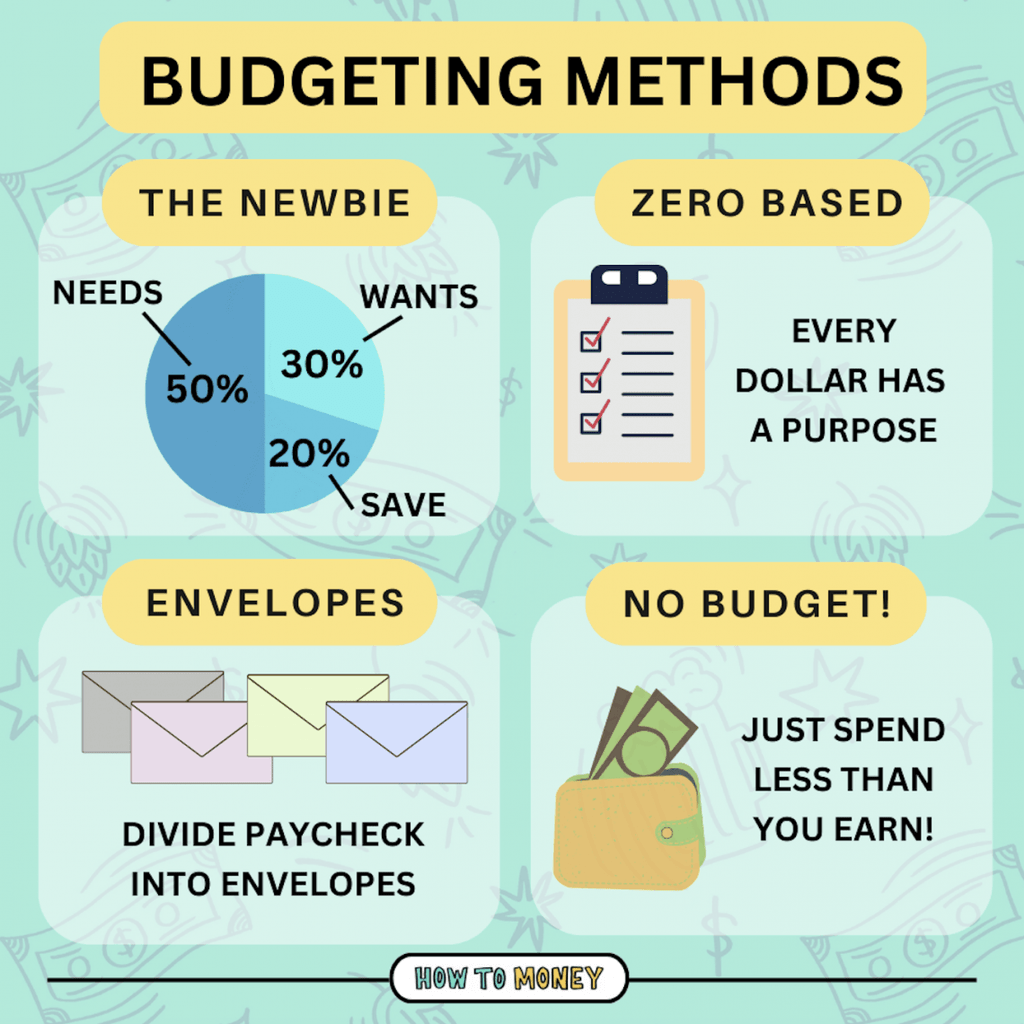
How to create a monthly budget is the first step toward taking control of your finances. By following a clear, step‑by‑step process, you can turn your income and expenses into a balanced plan that works for you.
1. Gather Your Income Information
Start by listing every source of money that comes into your account each month. This includes regular paychecks, freelance earnings, dividends, or any other cash inflows. If your income varies, calculate an average over the past 3–6 months to get a realistic figure.
2. Identify Fixed and Variable Expenses
Fixed expenses stay the same each month—rent, car payments, insurance, and subscriptions. Variable expenses change month to month—groceries, gas, entertainment. Write each category down and note the amount you pay.
Common Fixed Expenses
- Rent or mortgage
- Car loan or lease
- Home or renter’s insurance
- Cell phone plan
- Internet and cable
- Gym membership
Common Variable Expenses
- Food and groceries
- Utilities (electricity, water, gas)
- Transportation (fuel, public transit)
- Entertainment and dining out
- Clothing and personal care
- Miscellaneous gifts or surprises
3. Account for Irregular Costs
Annual or quarterly bills—such as car registration, property taxes, or holiday gifts—can throw off a simple month‑to‑month comparison. Divide these costs by 12 (or the number of months in the billing cycle) and add the result to your monthly budget. This “smoothing” technique keeps your plan realistic.
4. Set Savings and Debt‑Payoff Goals
Decide how much you want to put toward savings and debt each month. A common approach is to earmark a fixed dollar amount or a percentage of your net income. For example, you might choose to save $200 or 10% of your take‑home pay. If you’re paying off credit card debt, include the minimum payment as a fixed expense and consider an extra payment if you can afford it.
5. Create a Sample Budget Table – How to Create a Monthly Budget
Below is a simple example of how to create a monthly budget. All numbers are hypothetical and meant to illustrate the structure.
| Category | Amount ($) |
|---|---|
| Income | 3,200 |
| Fixed Expenses | |
| Rent | 1,200 |
| Car Loan | 300 |
| Insurance | 150 |
| Cell Phone | 80 |
| Internet | 60 |
| Variable Expenses | |
| Groceries | 400 |
| Gas | 150 |
| Entertainment | 120 |
| Irregular Expenses | |
| Car Registration (annual) | 20 |
| Holiday Gifts (quarterly) | 30 |
| Savings & Debt | |
| Emergency Fund | 200 |
| Credit Card Payment | 150 |
| Total Expenses | 2,870 |
| Net Balance | 330 |
In this example, you have $330 left over each month. You could choose to add that to your savings, pay down debt faster, or treat it as a discretionary amount.
6. Use a Reusable Budget Template
To keep your budget organized, download a ready‑made worksheet. The U.S. Department of Commerce offers a budget worksheet that you can print or fill out digitally. It includes sections for income, fixed and variable expenses, savings, and debt repayment. Using a template saves time and ensures you don’t miss a category.
7. Track Spending and Review Regularly
Recording actual spending each month lets you see where you’re over or under your estimates. Use a simple spreadsheet, a budgeting app, or the worksheet’s “Actual” column. At the end of each month, compare the numbers. If you overspent in a category, adjust the next month’s allocation or find ways to cut back.
When Expenses Exceed Income
- Re‑evaluate variable expenses—can you reduce dining out or entertainment?
- Look for cheaper alternatives for fixed costs (e.g., switch to a lower‑rate phone plan).
- Consider increasing income—take on a side gig or ask for a raise.
- Prioritize debt repayment to avoid higher interest.
- Re‑balance your savings goal—temporarily reduce the amount until your budget is balanced.
Personalizing Your Budget
Every person’s financial situation is unique. The percentages and categories that work for one person may not suit another. Use the steps above as a framework, then tweak the amounts and categories to reflect your own bills, lifestyle, and goals. For instance, if you’re a student, you might have a large tuition payment every semester; if you’re a freelancer, you may need a larger cash reserve to cover months with low income.
Common Mistakes to Avoid in How to Create a Monthly Budget
- Using a single fixed percentage for all expenses—this can misrepresent your actual costs.
- Ignoring irregular expenses—missing these can lead to surprise bills.
- Not tracking actual spending—without data, you can’t see where adjustments are needed.
- Setting unrealistic savings goals—start small and build up.
Next Practical Step
Print out the budget worksheet, fill in your own numbers, and set a date each month to review your progress. Over time, you’ll see your financial picture become clearer, and you’ll be better equipped to make informed decisions.
Remember, a budget is a living document. Adjust it as your income, expenses, or goals change. By staying disciplined and reviewing regularly, you’ll build a strong foundation for financial stability.
Make sure you follow a routine. You can check out my article on routine building here. Building one is one of the best ways to stick to everything you are trying to do to better yourself. Stay disciplined.