Meal prep for beginners can transform a hectic week into a series of calm, organized meals. By following a few simple steps, you can save time, reduce food waste, and keep your kitchen running smoothly.
Why Meal Prep for Beginners Works
When you plan ahead, you eliminate the daily decision of what to cook. This reduces stress, helps you stick to a budget, and ensures you’re eating balanced meals. Meal prep also gives you control over ingredients, which is especially useful if you have dietary preferences or allergies.
Step 1: Choose Your Meals
Start with a manageable number of recipes—two or three for lunch and dinner each day is a good target. Pick dishes that share core ingredients or cooking methods to simplify the process. For example, a chicken stir‑fry, a quinoa salad, and a bean chili can all use the same batch of cooked chicken and vegetables.
Step 2: Check What You Already Have
Before you head to the store, inventory your pantry, fridge, and freezer. Note staples like rice, pasta, canned beans, and spices. This step prevents duplicate purchases and helps you identify items you can use across multiple meals.
Step 3: Draft a Grocery List
Write a concise list that includes only the missing items. Group items by store section to make shopping efficient. Keep portions flexible; you can adjust quantities based on your appetite or how many people you’re feeding.
Step 4: Batch‑Cook Ingredients
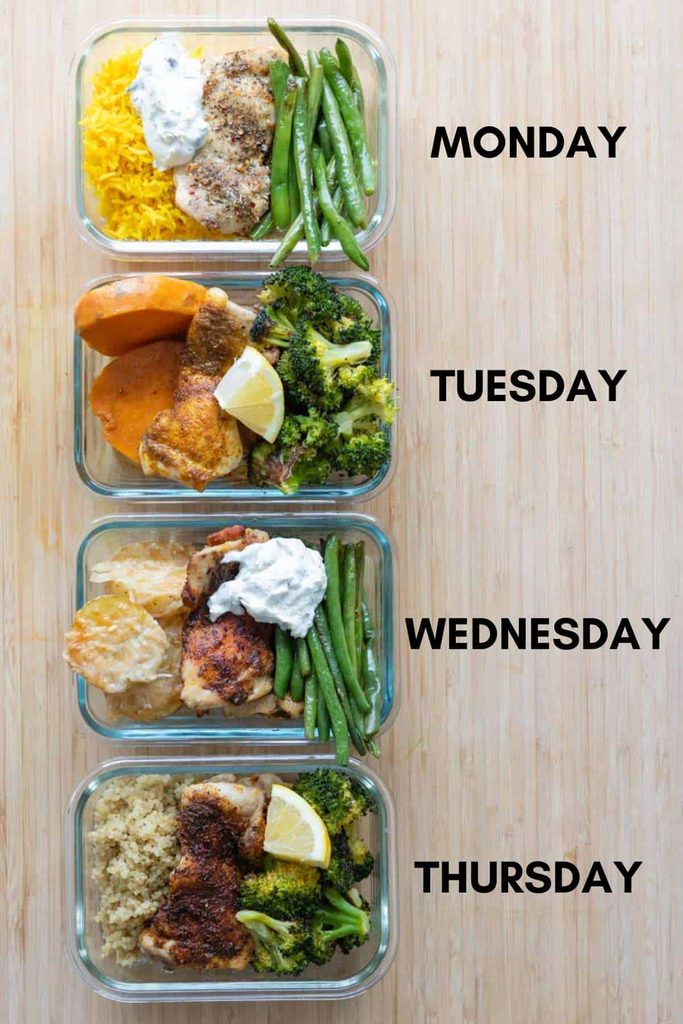
Batch cooking means preparing large quantities of a single component—such as roasted vegetables, boiled eggs, or grilled chicken—then using them in several dishes. This saves time and ensures consistency. For example, roast a tray of sweet potatoes and broccoli, then portion them into containers for salads, bowls, or side dishes.
Step 5: Pick the Right Containers
Choose containers that are airtight, microwave‑safe, and stackable. Clear, BPA‑free plastic or glass containers with snap‑on lids work well. Label each container with the date and contents to keep track of freshness.
Step 6: Organize Your Week
Arrange containers in the fridge or freezer so that the oldest items are in front. Use a color‑coded system—blue for proteins, green for vegetables, red for grains—to quickly identify what you need. Keep a small “grab‑and‑go” section for pre‑portioned snacks.
Step 7: Store and Reheat Safely
Follow the U.S. Food & Drug Administration’s guidelines for safe temperatures. Keep your refrigerator at or below 40°F (4°C) and your freezer at 0°F (-18°C). Use the ‘Cold Food Storage Charts’ to determine how long cooked foods can stay safely refrigerated. Reheat leftovers to an internal temperature of 165°F (74°C) as shown in the ‘Safe Minimum Internal Temperatures’ chart. For reheating, use a microwave or stovetop, stirring halfway through to ensure even heating. Avoid leaving food at room temperature for more than two hours, as indicated in the ‘4 Steps to Food Safety’ guide.
Sample 3‑Day Meal‑Prep Plan – Meal Prep For Beginners
Below is a flexible example that demonstrates how to apply the steps above. Portions can be adjusted for one or more people.
Day 1
- Lunch: Grilled chicken breast with quinoa and roasted broccoli
- Dinner: Beef and vegetable stir‑fry over brown rice
Day 2
- Lunch: Chickpea and spinach salad with lemon vinaigrette
- Dinner: Baked salmon with sweet potato mash and green beans
Day 3
- Lunch: Turkey and avocado wrap with side of carrot sticks
- Dinner: Lentil soup with a side of whole‑grain bread
Budget‑Friendly Shopping List Example
- Proteins: Chicken breast (1 lb), canned chickpeas (2 cans), lentils (1 lb)
- Grains: Quinoa (1 lb), brown rice (1 lb), whole‑grain bread (1 loaf)
- Vegetables: Broccoli (1 head), sweet potatoes (2), carrots (1 lb), spinach (1 bag)
- Fruits: Apples (4), bananas (4)
- Other: Olive oil, vinegar, spices, salt, pepper, lemon
Avoiding Repetitive Meals
To keep meals interesting, rotate proteins and vegetables each week. Use a rotating spice rack—add a new spice every two weeks—to change flavor profiles. Incorporate seasonal produce for variety and to take advantage of lower prices.
Common Mistakes and How to Fix Them
- Over‑cooking proteins: Cook to the minimum safe internal temperature and let them rest before slicing.
- Storing in single‑layer containers: Use stackable containers to maximize fridge space.
- Not labeling: Always write the date and contents on each container.
- Leaving food out too long: Follow the ‘4 Steps to Food Safety’ to avoid the danger zone.
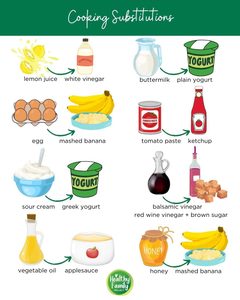
- Ingredient Substitution: Check out our Ingredient Substitution Here
Conclusion
Meal prep for beginners doesn’t have to be intimidating. By selecting a few core meals, checking what you already own, drafting a focused grocery list, batch‑cooking, choosing suitable containers, organizing your week, and storing food safely, you’ll create a reliable routine that saves time and reduces stress. Start with one day of prep, then expand as you feel comfortable. Your kitchen—and your schedule—will thank you.